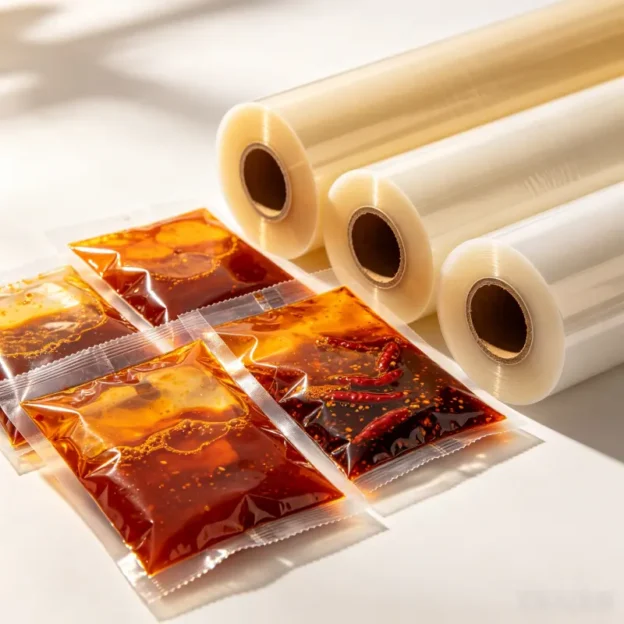
作者归档:jzxadmin

2026 Asia Pacific Packaging Exhibition Concludes in Qingdao

2026 Asia Pacific Corrugated & Color Box Packaging Tech Show Concludes Successfully in Qingdao

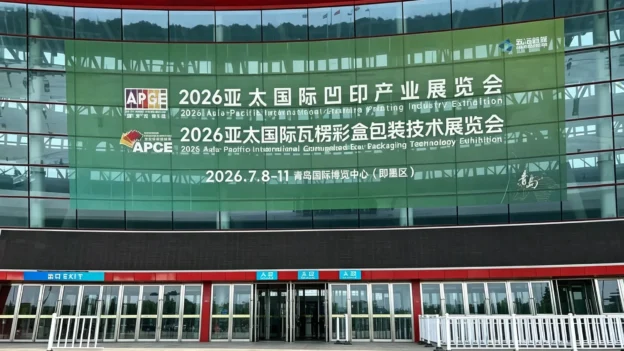
The 4-day 2026 Asia Pacific International Corrugated & Color Box Packaging Technology Exhibition drew to a successful close at Qingdao International Expo Center on July 11, 2026.

Intelligent manufacturing, eco-friendly production and high-efficiency operation have become the core development trends of the global printing and packaging sector, serving as the essential path to boost high-quality industrial growth. Integrated segments covering full industrial chain smart production, low-carbon solutions, creative packaging design and automated processing incorporate cutting-edge technologies including IoT, big data and artificial intelligence. These innovations not only lift overall competitiveness and industrial resilience across the packaging value chain, but also act as a core driving force to help traditional printing & packaging manufacturers complete digital and modernized transformation.

Keeping pace with the modern upgrading demands of the printing packaging industry, the 2026 Asia Pacific Corrugated & Color Box Exhibition covers the full upstream and downstream spectrum of packaging sectors. It gathered hundreds of renowned industrial manufacturers such as Xinchuan, Jiayou, Naipu, Jixing, Yingkejie, Fuyingkang, Yingongshe, Wenhong, Tiancen, Wanshida, Kemao, Hongming, Zhengsheng, Guowei, Xinluolan, Yongchuang, Jingda, Honghai, Meiguang, Puruizhe, Hongqiang, Jiayi, Yongshun, Lianchang, Changrong, Yongbang and Runjin. The show displayed their latest equipment and turnkey production solutions. By presenting state-of-the-art intelligent manufacturing equipment, green production systems and targeted business matchmaking services, the exhibition built a high-end exchange and cooperation hub for the Asia-Pacific packaging industry, unlocking new growth momentum for the whole printing and packaging market.

Core Highlights of the Exhibition

1. Digital & Intelligent Transformation to Accelerate Industrial Upgrade

Digitalization, flexible production and environmental protection stand as core development directions for modern packaging manufacturers, also the key method for factories to cut operational costs and cope with short-run orders driven by e-commerce.

The exhibition featured multiple full-function intelligent factory demonstration production lines on site. A dedicated intelligent production zone showcased flexible small-batch customization solutions, digital printing equipment, quick-changeover corrugated machinery and lightweight color box production lines. These exhibits effectively address common industrial pain points including multi-batch production, tight delivery schedules and high manufacturing costs. The practical technical solutions provide replicable transformation blueprints for traditional packaging factories, continuously injecting technological vitality into the whole packaging industry.

2. Premier Industrial Technical Contest: First Die-Cutting Operator Skills Competition

The inaugural professional Die-Cutting Operator Skills Competition was held during the exhibition. Senior frontline die-cutting technicians competed on-site in multiple practical assessments, including cutting precision control, material loss reduction, equipment calibration and emergency malfunction handling. Judges consisted of senior process specialists and technical leaders from top machinery brands, with generous rewards and official industry certifications awarded to outstanding participants.

The contest creates a communication platform for frontline technical talents. Meanwhile, it offers on-site learning opportunities for packaging enterprises to recruit skilled workers and master refined loss-control production techniques.

3. Creative Empowerment: Asia Pacific Packaging Design Innovation Contest

Co-organized with design academies, independent brand designers and packaging manufacturers, the 2026 Brand Packaging Design Competition set a themed track for JiMo Old Wine brand packaging upgrading. Award-winning prototype packages were displayed in a exclusive exhibition area. The event also built direct matching channels linking designers, packaging factories and brand owners, forming a complete closed loop from creative concept design to mass production and fully tapping the commercial value of packaging design.

4. High-Level Industrial Summits & Professional Forums

A series of authoritative industrial forums were hosted alongside the exhibition, including the 2026 Qingdao Design Industry Innovation Forum, Forum on Building Rapid Response Capacity for Small-Batch Printing, and Forum on Digital Transformation & Talent Cultivation for Printing Industry.

Participants held in-depth discussions over hot industry topics such as flexible short-run production, smart factory renovation, sustainable green packaging, cross-border export packaging standards and professional talent training. Renowned industry specialists and representatives from leading enterprises shared advanced production processes, latest industrial policies and proven business strategies, offering all attendees brand-new perspectives for industrial development.

Efficient Upstream & Downstream Matching Generates Massive On-Site Cooperation Orders

Gathering participants covering the whole printing & packaging industrial chain, the exhibition operates as an all-in-one professional trading platform integrating product display, business negotiation, channel expansion and resource cooperation.

Booths were crowded with professional global buyers throughout the show: machinery manufacturers received factory directors for bulk equipment procurement; consumable suppliers reached long-term supply partnerships with processing plants; designers finalized customized packaging plans with brand merchants. Visitors widely consulted equipment parameters, calculated production costs and confirmed sampling schedules & formal order cooperation on site.

The full-chain participation brought abundant commercial opportunities, and exhibitors delivered overwhelmingly positive feedback regarding the event’s trading performance. Many exhibitors voluntarily shared their positive experience, giving full marks to buyer accuracy, exhibition traffic and supporting business matching services. Real on-site review screenshots fully reflect the exhibition’s powerful capability to connect industrial players and empower cross-border & domestic packaging business development.

Our Company Insight:

As a professional manufacturer of flexible PE, BOPP and PET packaging films, we keep tracking the latest global packaging industry trends. We supply eco-friendly, customized flexible film materials for corrugated box factories, digital printing plants and cross-border packaging brands worldwide. Feel free to contact us for free samples and professional packaging material technical solutions.
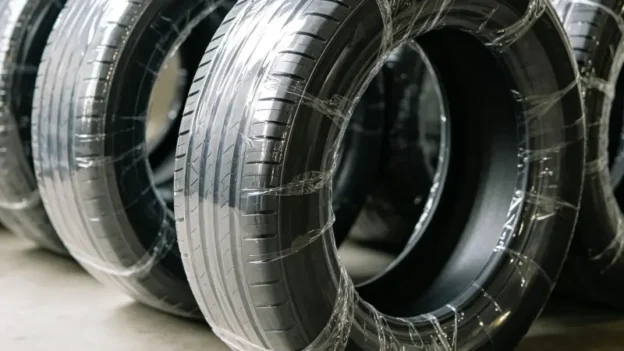

PE Film Introduction

1. Product Overview

Polyethylene (PE) film ranks as the most universal and cost-efficient substrate material across the global flexible packaging industry, manufactured by extruding polyethylene resin through blown film or cast film production lines. As a core heat-sealable packaging material, it fills a vital role in both single-layer independent packaging and multi-layer composite bag inner liners.

We specialize in three core PE variants: LDPE, HDPE and LLDPE, alongside a full lineup of modified functional PE films. Compared with BOPP, PET and other plastic substrates, PE films stand out for their exceptional low-temperature resistance, flexible texture, reliable heat-sealing performance and superior moisture barrier capacity. All raw materials we adopt are odor-free and eco-friendly, fully compliant with cross-border food contact standards to meet export demands of Southeast Asia, the Middle East, Europe, North America, Australia and South America. With 25 years of dedicated flexible film manufacturing and export experience, we tailor PE film solutions for packaging converters, brand owners and foreign trading enterprises of all sizes globally.

2. Classification & Distinctive Performance Characteristics

LDPE (Low Density Polyethylene) Film

LDPE film features soft texture, mild haze and outstanding hot tack heat sealing performance. Its flexible surface avoids scratching printed layers during lamination and bag-making, making it the top choice for composite inner sealing layers. It maintains stable sealing strength even at low heat temperatures, effectively preventing liquid and powder leakage.

Typical uses: Snack composite bag inner layer, daily chemical refill pouches, general dry food packaging, small retail sachets.

HDPE (High Density Polyethylene) Film

HDPE delivers high rigidity, excellent puncture resistance and moderate oil-blocking performance. Its dense molecular structure greatly reduces water vapor transmission rate, offering stronger protection against moisture and dust. The stiff texture enables thin-gauge heavy-duty packaging to cut overall material costs.

Typical uses: Heavy-duty industrial lining bags, supermarket shopping bags, grain & feed outer packaging, hardware moisture-proof wrappers.

LLDPE (Linear Low Density Polyethylene) Film

LLDPE integrates the flexibility of LDPE and the tensile strength of HDPE, with dramatically improved tear resistance and cold endurance. It will not crack or become brittle under sub-zero freezing environments, retaining intact mechanical properties during repeated stretching and extrusion.

Typical uses: Frozen food cold-chain packaging, pallet stretch wrapping film, bulk cargo transport sacks, agricultural fresh-keeping packaging.

Custom Functional PE Film Series

Beyond standard grades, we develop modified PE films with targeted additives to satisfy specialized industrial requirements:

  • Anti-fog PE film: Avoids water mist condensation for fruit, vegetable and fresh meat packaging, keeping contents clearly visible
  • Anti-static PE film: Eliminates static buildup, ideal for electronic component and circuit board packaging
  • High-slip PE film: Smooth surface for high-speed automatic bagging machines, no film sticking or jamming
  • Matte printed PE film: Low-gloss frosted surface for high-end brand packaging with premium visual texture
  • UV-resistant agricultural PE film: Anti-ultraviolet aging for long-cycle mulch and crop covering

3. Core Competitive Advantages of Our Factory’s PE Films

3.1 Outstanding Physical Mechanical Properties

Our PE films undergo strict tensile, puncture and low-temperature drop testing. LLDPE products can withstand -40°C cold environments without cracking; all series feature strong elongation at break to resist extrusion damage during long-distance sea transportation, fully safeguarding packed goods.

3.2 Stable Barrier Function

Superior moisture insulation blocks water vapor penetration to extend product shelf life. Selected HDPE and modified composite PE formulas provide mild oil resistance, suitable for packaging oily snacks and daily chemical lotions. The dense film structure also shields contents from dust and minor external pollution.

3.3 Perfect Compatibility with Post-Production Processing

Uniform film thickness guarantees consistent heat-seal strength without weak sealing or pinholes. The surface corona treatment meets high-standard gravure printing requirements, presenting clear, non-fading patterns. It works seamlessly with dry lamination, extrusion lamination and fully automatic high-speed bag-making equipment, eliminating delamination, curling and production downtime issues.

3.4 Strict Export-Grade Safety & Environmental Compliance

We only utilize food-contact certified polyethylene resin without recycled inferior raw materials. All food-grade PE batches can provide complete test reports covering heavy metal migration, plasticizer limits and odor control, satisfying inspection standards for EU, US and Southeast Asian markets. PE material is fully recyclable, aligning with global low-carbon and eco-friendly packaging trends.

3.5 Full Customization Flexibility to Match Market Needs

We adjust film thickness, width, transparency and surface slip coefficient as per client specifications. Functional masterbatch can be added during production to achieve anti-fog, anti-static, anti-UV and other effects. We support customized printing, composite structures and roll specifications to fit regional market packaging habits and regulatory standards.

4. Comprehensive Industry Application Scenarios

Food Packaging Sector

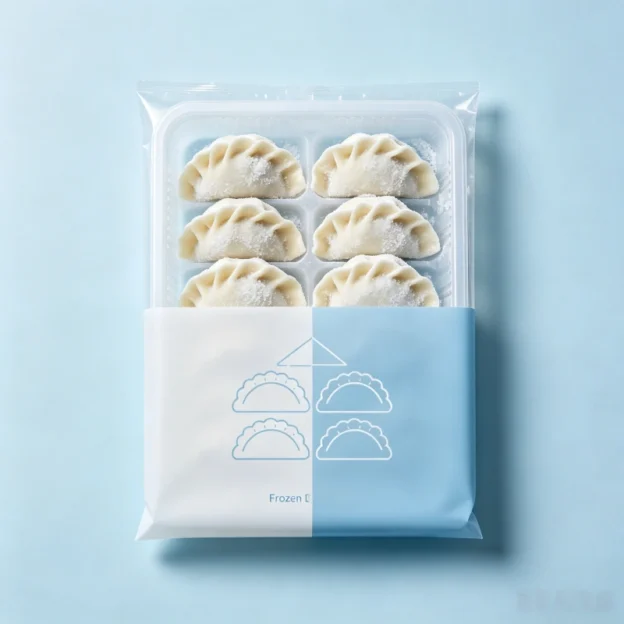
Frozen meat, seafood, fruits, vegetables, baked snacks, nuts, seasoning powders, dairy products, vacuum refrigerated food inner bags, cold-chain transport packaging.

Daily Chemical & Personal Care Industry

Laundry detergent liquid pouches, shampoo and skincare refill bags, cleaning agent packaging, disposable household product outer wrappers.

Industrial Manufacturing Packaging

Hardware metal part moisture-proof lining, electronic component anti-static storage film, pallet stretch wrap for logistics transport, chemical raw material inner sacks.

Agricultural Field

Farm mulch film to lock soil moisture, fruit and vegetable fresh-keeping bags, livestock feed packaging, greenhouse crop covering film with anti-UV function.

Retail & Cross-Border Logistics

Supermarket disposable shopping bags, takeout food packaging film, express parcel moisture-proof inner lining, wholesale commodity bulk packaging bags.

5. One-Stop OEM/ODM Export Service Support

Backed by 25 years of flexible packaging film export experience, we deliver full-cycle foreign trade service for global buyers:

  1. Solution communication: Professional technical team matches optimal PE film grades and composite structures based on your product type, storage environment and target market certification rules; free sample support for performance testing.
  2. Strict whole-process quality control: Raw material incoming inspection, real-time online production monitoring, finished product dimension, sealing and barrier testing before delivery, fully complying with international export quality benchmarks.
  3. Customized production: Flexible MOQ for regular stock models; customized functional PE films, printed patterns and sizes with clear production timelines.
  4. Logistics & after-sales service: Coordinate cost-effective sea freight arrangements for bulk orders; provide remote technical guidance for printing, lamination and bag-making problems after shipment to guarantee on-time, trouble-free order delivery.

6. Common Customer FAQ

Q1: What are the key differences between PE, BOPP and PET film, and how do I choose?

PE is primarily used as the heat-sealable inner layer of composite bags with strong low-temperature resistance; BOPP boasts ultra-high transparency and printing effect for outer decorative layers; PET provides superior oxygen and oil barrier for high-end long-shelf-life food packaging. We will recommend matched multi-layer composite structures according to your packaging contents, storage conditions and budget.

Q2: Can you supply official food safety certification documents for customs clearance?

Yes. All food-grade PE films pass relevant food contact testing standards required by EU, USA, Southeast Asia and other regions, and we can provide complete inspection reports, MSDS and customs clearance documents for every batch of goods.

Q3: What is your minimum order quantity and production lead time?

Standard LDPE/HDPE/LLDPE stock models support small trial orders; customized functional modified PE films or printed products take 7–15 working days for mass production, depending on specifications.

Q4: Will PE film crack under long-distance low-temperature sea transportation?

Our LLDPE series is specially formulated for cold-chain transport, remaining intact at temperatures as low as -40°C. We can adjust raw material formulas to enhance cold resistance if your goods require long-term refrigerated shipping.

Q5: Is it possible to print brand logos and patterns on PE film rolls?

Absolutely. We support gravure printing on PE films with up to 9 color patterns, and can cooperate with you to develop exclusive packaging designs tailored to your brand positioning and local market preferences.

Short Intro Snippet (For Homepage Product Card)

Polyethylene (PE) film is a versatile, cost-effective flexible packaging material covering LDPE, HDPE and LLDPE standard grades plus diversified functional modified variants. Featuring reliable heat sealing, excellent cold resistance and full food safety compliance, our PE films serve food, daily chemical, industrial and agricultural packaging clients worldwide. With full OEM/ODM customization and strict export quality control, we provide one-stop foreign trade solutions for packaging factories, brand merchants and trading companies across six continents.

Gloss PET Film

Our high-gloss PET film stands out as a premium flexible packaging substrate, featuring outstanding light transmittance, robust mechanical strength and mirror-like surface gloss. Boasting remarkable printability, this polyester film fits perfectly for high-end packaging, decorative lamination and diverse electronic component protection scenarios, satisfying both aesthetic and practical industrial demands.

It delivers reliable performance in complex working conditions with excellent heat resistance, stable chemical inertness and great tear resistance, which effectively safeguards packaged goods while creating eye-catching shelf display effects for branded products. Compatible with nearly all mainstream printing processes including gravure, flexo, offset, screen, UV and digital printing, this versatile film can fully adapt to both glossy and transparent PET packaging requirements across countless sectors.

Backed by mature production techniques and strict quality control systems, we supply stable, high-spec glossy PET film to global buyers. We keep optimizing product performance through technical innovation and standardized manufacturing, aiming to offer dependable packaging materials that combine attractive visual effects, stable processing adaptability and long-term service durability, helping clients build competitive packaging solutions for worldwide market expansion.

Performance Property Unit Typical Test Value Testing Standard
Film Thickness μm 12 DIN 53370
Tensile Strength (Machine Direction / Transverse Direction) MPa 230/240 ASTM D 882
Elongation at Break (Machine Direction / Transverse Direction) % 130/110 ASTM D 882
Elastic Modulus (Machine Direction / Transverse Direction) MPa 4400/4600 ASTM D 882
Thermal Shrinkage Rate (150℃, 30min, MD/TD) % 1.8/-0.1 ASTM D 1204
Haze Value % 2.95 ASTM D 1003

Clear CPP Film

Manufactured via professional melt extrusion technology, our clear CPP film features a flat, non-stretched structure and ranks among the most versatile cast packaging films widely adopted across global industries. This low-orientation transparent polypropylene material delivers premium comprehensive performance, including reliable heat-sealing capacity, outstanding flexibility, great low-temperature resistance, high transparency and ultra-low haze, laying a solid foundation for diversified flexible packaging applications.

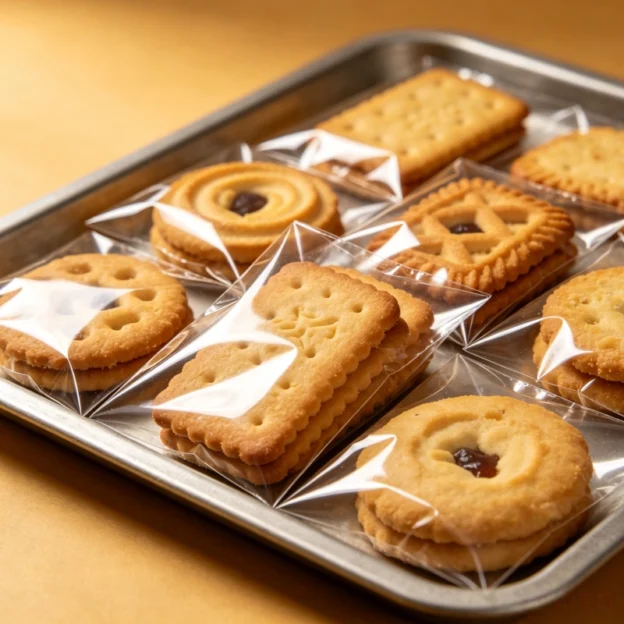
Our clear CPP film enjoys extremely broad application scenarios covering nearly all mainstream sectors. It serves as ideal packaging material for garments, hosiery, fresh flowers, paper documents and photo albums, as well as safe packaging solutions for snacks, candies and pharmaceutical products. Besides conventional packaging uses, the film can also be processed into synthetic paper for folders, adhesive stickers, card holders and stand-up pouches, acting as an eco-friendly, cost-effective alternative to traditional PVC materials.

With refined production craftsmanship, our optically transparent CPP film balances excellent physical performance and premium visual presentation perfectly. We have rich manufacturing experience in this field, offering stable, cost-competitive clear CPP film to clients both domestically and overseas. Reliable product quality and flexible customized service make our cast polypropylene packaging film well-received by global buyers for various flexible packaging demands.


Product Type Transparent CPP Film Application Scope Packaging Industry
Thickness Range 19~60μm Certifications ISO9001, CE, UL
Available Width 300~2000mm Packing Method Pallet Packing
Roll Outer Diameter 240~400mm Sample Service Free Samples Available
Inner Paper Core 3 inch / 6 inch Payment Terms T/T, L/C, PayPal, Western Union
Raw Material Polypropylene Minimum Order Quantity 1000KG
Corona Treatment Single Side Treated Loading Port Qingdao Port
Manufacturing Process Cast Process Country of Origin China


CPP Tissue Film

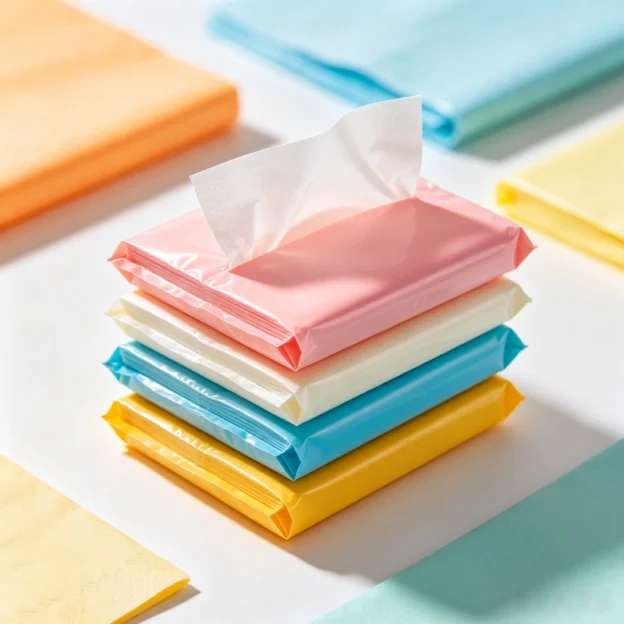
Our premium CPP tissue film is manufactured from high-grade polypropylene raw materials via sophisticated cast extrusion technology, widely adopted for facial tissue, toilet roll and various hygiene product packaging scenarios. Boasting outstanding transparency, reliable moisture barrier property and excellent overall mechanical performance, the film delivers strong resistance against tearing and puncturing, effectively shielding paper goods from humidity, dust and other adverse external factors. Meanwhile, its high clarity perfectly displays packaged items, greatly elevating product attractiveness and competitive advantages on retail shelves.

Equipped with stable double-sided heat-sealing capability, our customized CPP tissue film can satisfy diverse heat sealing demands of different paper packaging solutions. The dependable heat-seal performance guarantees tight, safe sealing during automated packaging, transit and long-term storage, making it an ideal choice for packaging products that demand strict dryness and hygienic standards. Featuring superior surface flatness, the material serves as an ideal printing substrate to reproduce sharp, vivid patterns and brand text, helping enterprises polish brand image and deliver comprehensive product information to end consumers.

Thanks to its ultra-smooth surface texture, the film runs steadily on high-speed automatic packaging equipment, effectively lowering machine downtime, operational failures and material waste to cut your overall production cost. We provide CPP tissue film covering a thickness range from 18μm to 80μm, and offer professional slitting service to tailor custom widths and specifications fully matching your unique packaging production requirements.


Parameter Specification
Type Tissue Film
Application Packaging
Thickness (μm) 25 ~ 60
Certificate ISO9001 / CE / UL
Width (mm) 300 ~ 2000
Package Pallet
Diameter (mm) 240 ~ 400
Sample Free
Paper Core (inch) 3″ / 6″
Payment T/T, LC, PayPal, Western Union
Material Polypropylene
MOQ 1000 KG
Corona Treatment One side
Port Qingdao Port
Processing Type Cast
Place of Origin China


CPP Anti Static Film

CPP anti-static film is a co-extruded polypropylene packaging material, featuring a heat-sealable layer on one side and corona-treated surface on the reverse side for reliable printing and lamination compatibility. We blend dedicated antistatic additives evenly into the raw material during production, enabling the film to rapidly dissipate static charges and avoid static buildup inside sealed packages.

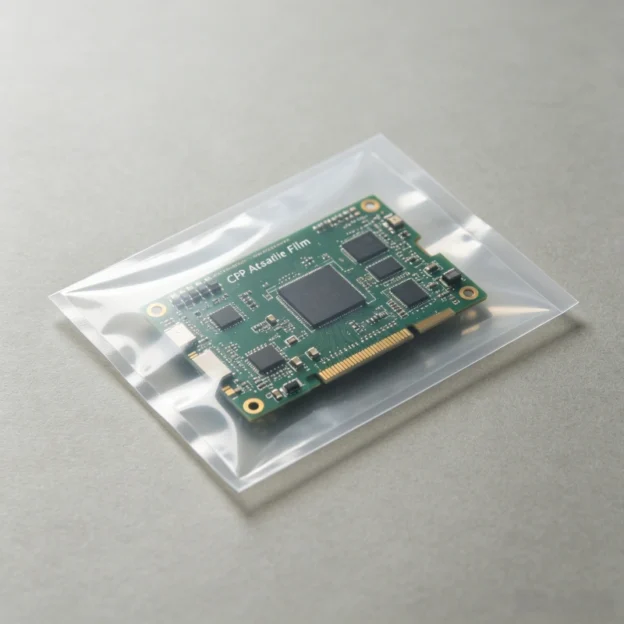
This excellent static elimination capability delivers critical protection for static-sensitive goods. Widely applied in the packaging of semiconductors, circuit boards and various precision electronic components, it effectively prevents irreversible damage to delicate electronic parts caused by static discharge. Beyond the electronics industry, this functional CPP film also serves pharmaceutical powders, cosmetic raw powders and food additive packaging sectors. It avoids powder agglomeration and uneven material distribution triggered by static attraction, consistently preserving product cleanliness, safety and stable quality throughout storage, transportation and use.

Backed by mature large-scale production layout and nationwide inventory deployment, we maintain abundant spot stock of anti-static CPP film to fulfill bulk and customized orders efficiently. We support tailored surface treatment, thickness adjustment and performance parameter customization, matching diverse industrial packaging demands while guaranteeing stable batch quality and fast order delivery cycles for global business partners.


No. Index Unit Test Standard Typical Value
Thickness (ranging from 18μm to 50μm) μm ASTM D2673 24
1 Thickness Tolerance μm Internal ± 1
2 Tensile Strength (MD) MPa ASTM D-882 80.8
2 Tensile Strength (TD) MPa ASTM D-882 35.8
3 Elongation at Break (MD) % ASTM D-882 639.5
3 Elongation at Break (TD) % ASTM D-882 871.2
4 Friction Coefficient (NT/NT) ASTM D-1894 0.11
4 Friction Coefficient (T/T) ASTM D-1894 0.24
5 Heat-sealing Temperature ASTM D-1204 120.0
5 Heat-sealing Strength N/15mm ASTM D-1204 6.4
6 Wetting Tension mN/m ASTM D-2578 38
7 Haze % ASTM D-1003 1.98


CPP Anti Fog Film

Our CPP anti-fog film is manufactured from food-grade polypropylene via advanced cast film production lines. A professional anti-fog coating is coated on the inner sealing surface, which enables condensed moisture to form a uniform transparent water layer instead of tiny light-refracting water droplets that cause blurry packaging.

This innovative structural design keeps packaging highly transparent under refrigerated storage conditions, letting consumers clearly observe the original color and fresh state of fruits, vegetables and prepared ready meals. Our standard thickness range covers 25 to 60 micrometers, and customized film gauges are available to match your unique packaging processes and application scenarios.

The film works well as a single-layer packaging bag material or the heat-sealing layer for composite laminates paired with BOPP, BOPET and other functional films to boost rigidity and barrier properties. It can also be laminated with transparent or metallized CPP materials to create all-polypropylene packaging structures.

Compared with biaxially oriented plastic films, cast CPP material delivers softer texture and superior shock absorption capacity, perfectly suited for fresh produce bags and tray lidding packaging, ensuring tight crack-free sealing performance. We also supply anti-fog BOPP film as an alternative option for clients who favor oriented packaging materials.

With decades of experience in flexible packaging film manufacturing, we guarantee stable thickness tolerance, durable anti-fog functionality and complete qualification documents for every batch. Core technical indicators including haze, gloss, coefficient of friction and sealing strength are detailed in the attached specification table to support your technical design and product validation.


Property Test Method (ASTM) Unit Typical Values
Thickness (±5%) Internal Micron (Gauge) 40 (160) / 50 (200)
Film Density D-1505 gm/cc 0.91
Grammage Internal gm/m² 36.4 / 45.5
Yield Internal m²/kg (in²/lb) 27.5 (19332) / 22.0 (15466)
Treatment Level D-2578 dyne/cm 38
Coeff of Friction (Dynamic) D-1894 0.28 ± 0.05
Haze D-1003 % 4.5 / 5.0
Gloss (at 45°) D-2457 Unit 70
Tensile Strength at Break (MD) D-882 kg/cm (KPsi) 280 (4.0)
Tensile Strength at Break (TD) D-882 kg/cm (KPsi) 190 (2.7)
Elongation at Break (MD) D-882 % 440
Elongation at Break (TD) D-882 % 650
Heat Seal Initiation Temperature Internal °C 125
Heat Seal Strength (Min.) Internal gm/25mm 2500
Anti-Fog Test Internal Rating Good


PP Film Introduction


PP film, fully named polypropylene film, is one of the most productive and widely used polymer functional film materials worldwide, belonging to the category of polyolefin plastic films. With balanced physical properties, excellent processing adaptability, low cost and recyclable environmental advantages, PP films cover numerous fields including civil packaging, industrial manufacturing, electrical and electronic, new energy, medical treatment and agriculture. It is an indispensable basic material for modern light industry and manufacturing. This article systematically analyzes the core industry knowledge of PP films from five dimensions: concept definition, core characteristics, detailed classification, application scenarios and industry development trends.

1. Core Concept Definition of PP Film

PP film is a thermoplastic polymer film material processed with polypropylene resin (PP particles) as the core raw material through a series of refined processes such as melt extrusion, casting, biaxial stretching, heat setting and cooling winding.

Polypropylene, the core raw material, is a lightweight general-purpose plastic with a stable molecular structure, non-toxic and odorless. After secondary processing such as modification, stretching and coating, it can derive functional film materials with different performances and specifications. It can meet both ordinary civil packaging needs and high-end industrial precision manufacturing scenarios, serving as a basic film product with both universality and customization. Compared with similar films such as PE film and PVC film, PP film has obvious differentiated advantages in rigidity, heat resistance, moisture resistance and insulation.


2. Core Characteristics of PP Film

The comprehensive performance advantages of PP film have established its dominant position in the industry. Its core characteristics are divided into four categories: basic physical properties, chemical properties, processing and environmental protection properties, as detailed below:

2.1 Excellent Physical Properties

First, it is lightweight with a density of only 0.90~0.91g/cm³, one of the lightest common plastic films, which can effectively reduce the overall weight of packaged products and finished products, saving transportation and raw material costs. Second, it has high transparency and good glossiness, with the light transmittance of high-quality PP film reaching more than 90%, featuring strong printing adaptability and high-quality finished product appearance. Third, it has balanced mechanical properties with excellent tensile strength, rigidity and stiffness, resisting stretching, tearing and bending without deformation, suitable for high-speed automatic processing equipment. Fourth, it has outstanding heat resistance; conventional PP film can withstand high temperatures up to about 120°C, adapting to high-temperature cooking and heat sealing processing, and is not easy to embrittle at low temperatures.

2.2 Stable Chemical Properties

PP film has an inert molecular structure, possessing excellent resistance to acid, alkali, salt spray and organic solvent corrosion. It is not easily eroded by daily grease, cleaning agents and weak corrosive media, and does not age or deteriorate easily after long-term use. Meanwhile, the material has excellent moisture-proof and water vapor barrier performance, far better than ordinary PE film, which can effectively protect internal materials from moisture and deterioration.

2.3 Strong Processing Adaptability

PP film has extremely high plasticity. Its transparency, roughness, barrier property, conductivity and other properties can be adjusted through various processes such as stretching, coating, modification, matte treatment and corona treatment. It also supports full-process deep processing including printing, compounding, heat sealing, slitting and bag making, and can be processed into various special-shaped film materials, packaging bags, protective films, insulating films and other products.

2.4 Safe, Environmentally Friendly and Cost-Effective

Pure PP film is non-toxic and odorless, free of plasticizers, heavy metals and other harmful substances, complying with food contact and medical supplies safety standards. The material is recyclable and reprocessable without harmful volatile substances, belonging to an environmentally friendly plastic film. Meanwhile, with sufficient raw material capacity and mature processing technology, it has low mass production cost and much higher cost performance than high-end films such as PET and nylon, suitable for large-scale industrial application.

Relative Disadvantages: Ordinary low-temperature toughness with reduced impact resistance in extremely cold environments; average oxygen barrier performance of conventional PP film, which requires modification or coating to improve high barrier performance; weak UV resistance, requiring UV-resistant additives for long-term outdoor use.

3. Mainstream Classification of PP Film (Industry General Classification)

The most core and general classification method in the industry is classification by production process, which divides PP films into three core categories: BOPP film, CPP film and IPP film. In addition, functional modified films can be subdivided by function and appearance. The specific classification and characteristics are as follows:

3.1 Biaxially Oriented Polypropylene Film (BOPP)

BOPP is the most widely used PP film in the industry, manufactured through longitudinal and transverse biaxial stretching processes with regular molecular arrangement and stable and balanced performance.

Core Characteristics: Extremely high transparency, excellent glossiness, high rigidity and stiffness, good printing adhesion, high mechanical strength and excellent moisture resistance. It cannot be directly heat-sealed, and modification or compounding processes are required to realize heat sealing.

Sub-categories: Ordinary glossy film, matte film, pearlescent film, metallized film, delustered film, high-transparency film, etc., adapting to different appearance and functional requirements.

3.2 Cast Polypropylene Film (CPP)

CPP is a non-stretched PP film formed by melt casting process with simple technology and excellent thickness uniformity.

Core Characteristics: Good flexibility and flatness, directly heat-sealable, better low-temperature performance than BOPP film, strong puncture resistance and toughness, and good transparency. It is the mainstream heat-sealing base film, with slightly lower rigidity and stiffness than BOPP film.

Sub-categories: Ordinary CPP, cooking-grade CPP (high-temperature resistant), high-transparency CPP, low-temperature resistant CPP, etc.

3.3 Uniaxially Oriented Polypropylene Film (IPP)

IPP is a film formed only by longitudinal uniaxial stretching, with improved directional longitudinal tensile strength and easy transverse tearing.

Core Characteristics: High longitudinal tensile strength, easy longitudinal tearing and extremely high cost performance. It is mainly used for low-end scenarios such as simple packaging, binding and winding, and rarely applied in high-end packaging.

3.4 Functional Modified PP Film

High-end products made by coating, painting, additive modification and surface treatment on the basis of basic film materials, which accurately meet the needs of segmented industries. Main types include: metallized PP film (high barrier and light-proof), flame-retardant PP film, anti-static PP film, anti-fog PP film, antibacterial PP film, high-barrier PP film, photovoltaic insulating PP film, etc.

4. Full-Scenario Application Fields of PP Film

Relying on diversified categories and adjustable performances, PP films cover from low-end general scenarios to high-end precision industrial scenarios. The core application fields are as follows:

4.1 Packaging Industry (Core Main Application, Accounting for Over 70%)

Packaging is the largest application market of PP films, covering full-category packaging of food, daily chemicals, daily necessities and industrial products. In the food industry, BOPP films are commonly used for outer packaging of snacks, biscuits, candies, bread and tea, featuring exquisite printing and moisture-proof fresh-keeping performance. Cooking-grade CPP films are applied to high-temperature cooking packaging of braised food, cooked food and vacuum fresh-keeping food with safety and high temperature resistance. In the daily chemical industry, it is used for outer bags of shampoo, body wash, skin care products, mask packaging and coating of daily chemical products. In addition, metallized PP films are suitable for packaging puffed food and dry goods to avoid light and moisture and extend shelf life; pearlescent PP films are widely used in color printing packaging and gift packaging with high-grade appearance texture. Meanwhile, PP films are also used for outer packaging and lamination of clothing, shoes, hats, stationery and books.

4.2 Electronic, Electrical and New Energy Industry

With excellent electrical insulation, high voltage resistance, aging resistance and anti-static performance, PP film is a core insulating material in the electronic industry. Conventional PP films are used for wire and cable insulation layers, electrical appliance panel protective films, circuit board isolation films and anti-static films for electronic component packaging. High-end modified PP films can be applied to new energy precision fields such as lithium battery diaphragm auxiliary substrates, photovoltaic module insulating films and capacitor films, ensuring the operational safety of new energy equipment with stable insulation and temperature resistance.

4.3 Medical and Pharmaceutical Industry

Food-grade and medical-grade PP films are non-toxic, sterile, disinfection-resistant and corrosion-resistant, meeting medical safety standards. They are mainly used for drug packaging bags, capsule blister packaging substrates, medical mask outer packaging, disposable medical consumables packaging and medical dressing lamination. They can withstand ethylene oxide and high-temperature disinfection with strong sealing performance, which can effectively isolate bacteria and dust and ensure the cleanliness of medical supplies.

4.4 Industrial and Building Materials Industry

In industrial scenarios, PP films can be used as anti-rust and dust-proof protective films for metal plates, hardware products and precision parts, featuring wear resistance and corrosion resistance; they are also applicable to tape substrates, composite plate interlayers and industrial winding films. In the building materials field, flame-retardant and weather-resistant modified PP films are used for decorative plate lamination, door and window protective films and auxiliary waterproof films, with both protective and decorative functions.

4.5 Agricultural and Civil Daily Fields

In agriculture, anti-fog and weather-resistant PP films are applied to simple greenhouse films, seedling thermal insulation films and agricultural product fresh-keeping packaging films with good light transmittance and moisture and mildew resistance. In daily life, they are widely used for album inner pages, laminating films, storage bags, binding films, flower packaging films and other scenarios.

5. Current Situation and Development Trend of the Industry

At present, China’s PP film industry has entered a mature stage with sufficient production capacity and mature technology, making China the world’s largest producer and exporter of PP films. The industry presents a structural feature of “overcapacity in low-end products and shortage of high-end functional products”. The market of ordinary BOPP and CPP films is highly competitive, while high-value-added high-end products such as high-barrier, antibacterial, flame-retardant, new energy-specific and degradable modified PP films have become the core development direction of the industry.

Meanwhile, with the upgrading of environmental protection policies, recyclable, low-energy and bio-based modified PP films have become research and development hotspots to replace traditional non-degradable films. The rapid development of downstream industries such as new energy, high-end food packaging and medical consumables continues to drive the market demand for functional PP films, promoting the industry to transform and upgrade towards refinement, high-end customization and green development.

6. Summary

With the core advantages of light weight, safety, stable performance, strong processability and high cost performance, PP film has become a cornerstone material in the film industry. The three basic categories of BOPP, CPP and IPP support the general market, and various functional modified films expand high-end segmented scenarios, fully covering core fields such as packaging, electronics, medical treatment, new energy and industry. In the future, the industry will continuously eliminate low-end extensive production capacity, focus on the research and development of high-performance, environmentally friendly and specialized products, adapt to the upgrading needs of downstream industries, and continuously release market development potential.


BOPA Film

BOPA film, also commonly referred to as nylon film, is produced from PA6 raw material and ranks as the third mainstream biaxially stretched packaging film after BOPP and BOPET. It delivers outstanding comprehensive mechanical performance including excellent gas barrier capacity, great puncture resistance, high impact, friction and bending strength, which lays a solid foundation for high-standard flexible packaging applications.

This polyamide material is usually laminated with heat-sealable base films to balance cost performance and optimize moisture absorption characteristics. It becomes the ideal packaging material for scenarios requiring high tensile strength, puncture resistance, oil resistance and superior barrier effects, extensively applied to frozen food, liquid condiments, high-temperature retort food and other premium food packaging fields.

Beyond the food industry, BOPA film also serves as reliable packaging material for pharmaceuticals, cosmetics, precision machinery and electronic components. Supported by mature manufacturing techniques and strict quality control standards, we supply stable nylon film rolls with consistent performance, offering customized flexible packaging solutions to global converters and brand manufacturers across diverse industrial sectors.


Technical Parameters of 15mic BOPA Film

Item Units Test standard Standard value
Thickness um GB/T 6672-2001 10-30
Tensile strength MD Mpa 230
TD Mpa 260
Elongation at Break MD % 110-150
TD % 90-130
Modulus of Elasticity MD Mpa 2000
TD Mpa 1550
Thermal shrinkage MD % ≤2.0
TD % ≤2.0
Tear force MD mN 54
TD mN 39
Coefficient of Friction (non/non) ST 0.25
KI 0.4
Treated side (treated/non-treated) mN/m ≥50
Haze % GB/T 2410-1980 4.5
Gloss % GB/T 2410-1980 100-110
Clarity % GB/T 2410-1980 >90
Water vapor transmission (40°C 90%RH) /atm g/m²/24h GB1037-88 <150
Oxygen transmission (20°C 100%RH) cm³/m² GB-1038 <50